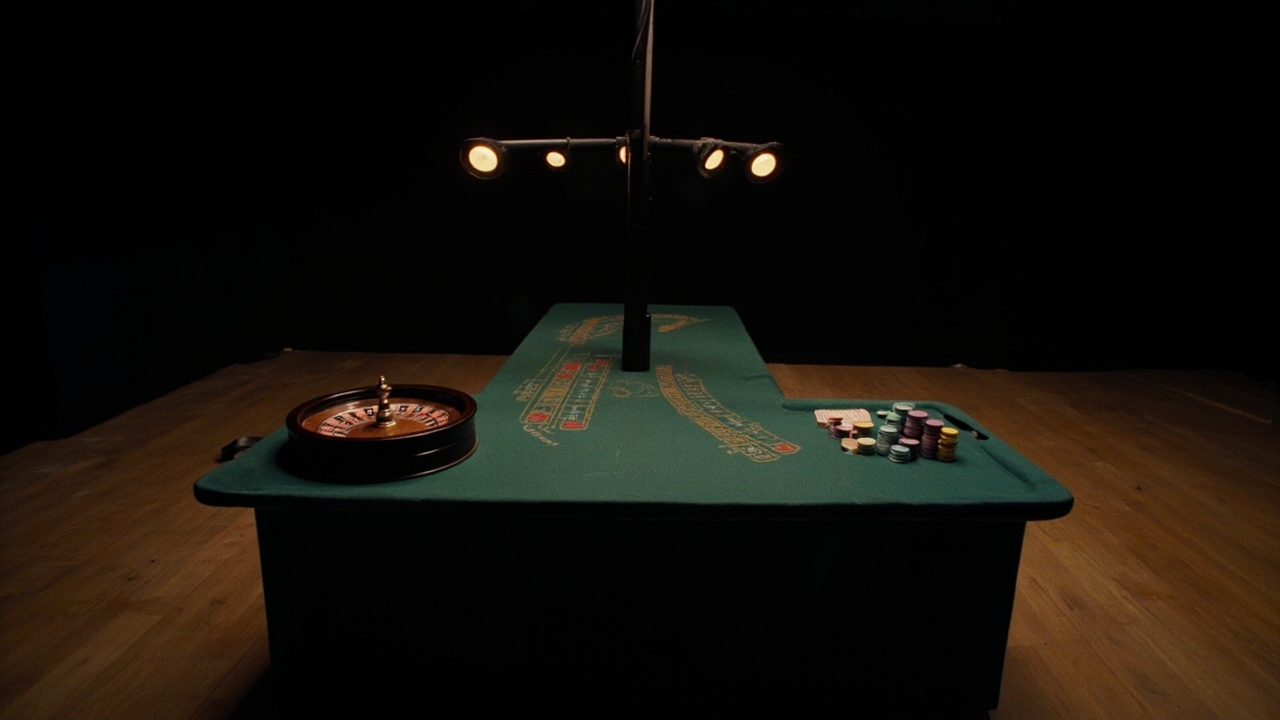
Live casino deal or no deal style game formats bring the high-stakes tension of the television show directly to your screen, but the mechanics differ significantly from the broadcast version. Instead of a single host walking around a studio, you are typically watching a real dealer manage a digital bank from a studio floor, often streamed in high definition to mobile devices or desktops. The core appeal lies in the transparency of the live stream combined with the familiar six-box or briefcase mechanic where players pick cases and decide whether to accept the banker’s offer or risk it all for a higher value. For Australian players, this style of game sits at an interesting intersection of skill-based decision making and pure chance, particularly when the prizes are tied to wagering credits rather than cash payouts. Understanding how the banker’s offer is calculated in these live environments helps players recognise when the pressure is being applied strategically rather than mathematically.
| Feature | Typical Live Deal Or No Deal Setup |
|---|---|
| Format | Live dealer streamed from studio, RNG-driven prize values |
| Banker Offers | Dynamic offers based on remaining cases and risk profile |
| Currency | Usually AUD-compatible where locally licensed, otherwise USD/EUR |
| Session Length | Short rounds, often under ten minutes per deal |
| Mobile Play | Fully responsive streams, touch-friendly case selection |
When comparing these live formats to standard RNG table games, the house edge dynamics shift depending on how the prize pool is structured. In a purely mathematical sense, games like American roulette carry a house edge of about 5.26%, which provides a clear benchmark for expected loss over time. Live deal or no deal style games do not always publish a fixed house edge because the banker’s offer introduces a variable that can favour the player or the house depending on the round. Chloe Patel, Independent iGaming Expert, Nullarbor Gaming Analytics, notes that “the banker’s algorithm in live formats often tightens offers as the round progresses, which can make early deals feel more generous than the underlying probability would suggest.” This kind of observation matters for players who treat the banker’s offer as a rational decision point rather than an emotional gamble. The live element adds visual pressure, but the underlying numbers still dictate whether walking away is the smarter move.
Playing through a local operator can change how these games feel in practice, especially when bonuses and wagering requirements enter the picture. Some players explore promotional routes like a fairgo no deposit bonus codes inside newsletter to extend their session without committing extra funds upfront, though these offers usually come with playthrough conditions that affect how deal or no deal style games contribute to clearance. The key distinction is whether the live game counts fully toward bonus turnover or only partially, which varies by operator and jurisdiction. Australian players should also be mindful that offshore casino play is not licensed or regulated in Australia, meaning any platform accessed from here operates under its own licensing framework rather than local oversight. That reality makes it worth checking how an operator structures its live dealer lobby before committing time to a format that might not align with local expectations around transparency and support.
The Gold Coast gaming scene offers a useful local comparison for how live dealer formats translate to Australian player habits. Coastal venues and local operators often see higher engagement during evening sessions, with players preferring shorter, visually engaging rounds that fit around work schedules or weekend downtime. A live deal or no deal style game fits that pattern well because each round is self-contained and does not require long-term strategy or bankroll management beyond the immediate decision to accept or reject an offer. That said, the format still rewards discipline, particularly when the banker’s offer approaches the expected value of the remaining cases. Players who treat each round as a standalone event rather than a cumulative session tend to make clearer decisions, especially when the prize pool is tied to promotional credits rather than withdrawable cash.
For players weighing whether this format suits their style, the decision usually comes down to how they handle uncertainty under time pressure. Someone who enjoys quick, visually clear rounds with a defined end point may find the live deal or no deal style game more engaging than a slow-paced table game that requires tracking outcomes over multiple spins. Conversely, a player who prefers transparent odds and fixed house edges might find the banker’s variable offers less comfortable, since the perceived value of an offer can shift depending on how the remaining cases are distributed. The live stream itself adds a layer of accountability, since a real dealer and visible case selection reduce the sense of hidden mechanics, but that does not remove the underlying randomness of the prize distribution. In practice, the format works best for players who understand that the banker’s offer is a negotiation point, not a guaranteed reflection of fair value. fairgo no deposit bonus codes inside newsletter
Another player-fit scenario involves those who want a low-commitment way to test live dealer interfaces without sitting through long blackjack or roulette sessions. The deal or no deal style round typically runs in minutes, which suits players who want to observe streaming quality, dealer interaction, and interface responsiveness before committing to longer live table games. That makes it a practical entry point for anyone comparing operators on stream stability, chat functionality, and mobile performance. It also suits players who prefer a game where the decision points are obvious and the outcome is resolved quickly, rather than games that require ongoing bet sizing and pattern tracking. The trade-off is that the format’s brevity can encourage rapid repeat play, which is worth keeping in mind when bonus conditions or session limits are part of the picture. Бонус за повторное пополнение в live-дилерском

A third scenario fits players who are more interested in the psychological side of the game than the mathematical edge. The live banker’s offer creates a moment of tension that is hard to replicate in a purely digital RNG version, and that tension is often the main draw for viewers who enjoy the spectacle of risk and reward. For these players, the value of the format lies in the visible decision moment rather than the long-term return, which means the experience is closer to entertainment than to a strategic wagering session. That perspective is reasonable as long as the player treats any promotional credits or bonus funds as conditional rather than guaranteed value. The live stream can make the round feel more substantial, but the underlying structure still depends on chance once the cases are selected and the offers begin.
| Consideration | What To Watch For |
|---|---|
| Offer timing | Early offers may feel generous; later offers often tighten |
| Prize structure | Check whether prizes are cash, credits, or bonus-eligible |
| Stream quality | Look for stable HD feeds and responsive case selection |
| Local context | Offshore operators are not licensed or regulated in Australia |
The live casino deal or no deal style game remains a compact, visually direct format that suits players who want a clear decision point and a short round without the extended commitment of traditional table games. Its strength is the combination of a live dealer presence with a familiar case-picking mechanic, but the banker’s offers and prize structure still require the same kind of discipline any player would apply to a chance-based game. For Australian adults, the format is most useful as a quick, engaging session rather than a core bankroll strategy, particularly when bonus conditions or offshore licensing realities are part of the equation.